Weather Alert in New Mexico
Fire Weather Watch issued February 19 at 3:03AM MST until February 20 at 6:00PM MST by NWS Albuquerque NM
AREAS AFFECTED: East Central Plains
DESCRIPTION: ...RED FLAG WARNING TODAY FROM 12 TO 6 PM FOR THE NORTHEAST AND EAST CENTRAL PLAINS, AND THE NORTHEAST HIGHLANDS ALONG AND EAST OF I-25, DUE TO STRONG WINDS AND LOW HUMIDITY... ...FIRE WEATHER WATCH FRIDAY FROM 1 TO 6 PM FOR THE EASTERN PLAINS, AND FOR THE GUADALUPE COUNTY PORTION OF THE CENTRAL HIGHLANDS, DUE TO STRONG WINDS AND LOW HUMIDITY... .Persistently strong flow aloft, an area of low pressure at the surface over the northeast corner of New Mexico, and very dry fuels over northeast and east central areas will result in critical fire weather conditions on the eastern plains today and Friday. The critical fire weather conditions will reach as far west as the I-25 corridor from Las Vegas northward today, but higher humidities and snow showers should reduce fire weather concerns over the Northeast Highlands on Friday. Meanwhile, drier conditions are forecast across the eastern half of the Central Highlands on Friday, compared to today. So, Guadalupe County has been added to Friday's Fire Weather Watch. The strongest winds are forecast Friday, when gusts will probably reach 50 to 60 mph across much of northeast and east central New Mexico. * AREA AND TIMING...East Central Plains (Zone 126) today from 12 until 6 PM MST, and Friday from 1 to 6 PM MST. * 20 FOOT WINDS...For today, west northwest winds 20 to 30 mph with gusts around 40 mph. For Friday, west winds 25 to 35 mph with gusts up to 60 mph. * RELATIVE HUMIDITY...For today, minimum values between 12 and 20 percent, except for higher readings across the western quarter of De Baca County. For Friday, minimum values between 13 and 17 percent. * IMPACTS...Any fires that develop will likely spread rapidly. Outdoor burning is not recommended.
INSTRUCTION: Please advise the appropriate officials or fire crews in the field of this Red Flag Warning. Please advise the appropriate officials or fire crews in the field of this Fire Weather Watch.
Want more detail? Get the Complete 7 Day and Night Detailed Forecast!
Current U.S. National Radar--Current
The Current National Weather Radar is shown below with a UTC Time (subtract 5 hours from UTC to get Eastern Time).

National Weather Forecast--Current
The Current National Weather Forecast and National Weather Map are shown below.

National Weather Forecast for Tomorrow
Tomorrow National Weather Forecast and Tomorrow National Weather Map are show below.

North America Water Vapor (Moisture)
This map shows recent moisture content over North America. Bright and colored areas show high moisture (ie, clouds); brown indicates very little moisture present; black indicates no moisture.

Weather Topic: What are Cirrostratus Clouds?
Home - Education - Cloud Types - Cirrostratus Clouds
 Next Topic: Cirrus Clouds
Cirrostratus clouds are high, thin clouds that form above
20,000 feet and are made mostly of ice crystals. They sometimes look like giant
feathers, horse tails, or curls of hair in the sky.
These clouds are pushed by the jet stream and can move at high speeds reaching
100 mph.
What do they indicate?
They indicate that a precipitation is likely within 24 hours.
Next Topic: Cirrus Clouds
Weather Topic: What is Condensation?
Home - Education - Precipitation - Condensation
 Next Topic: Contrails
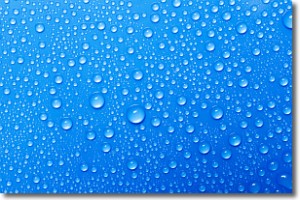
Condensation is the process which creates clouds, and therefore
it is a crucial process in the water cycle.
Condensation is the change of matter from a state of gas into a state of liquid,
and it happens because water molecules release heat into the atmosphere and
become organized into a more closely packed structure, what we might see as
water droplets.
Water is always present in the air around us as a vapor, but it's too small for
us to see. When water undergoes the process of condensation it becomes organized
into visible water droplets. You've probably seen condensation happen before on the
surface of a cold drink!
Next Topic: Contrails
Current conditions powered by WeatherAPI.com